
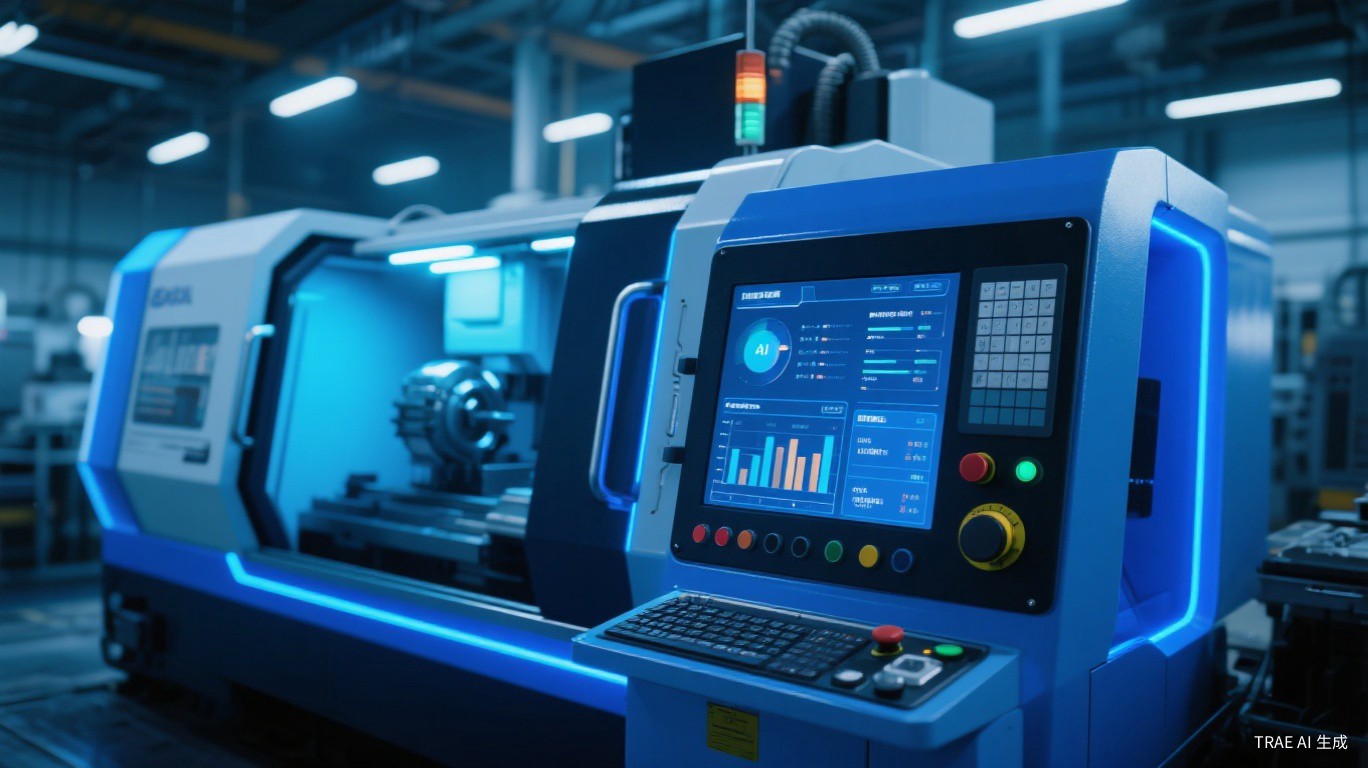
The manufacturing industry is undergoing a revolutionary transformation as artificial intelligence (AI) and machine learning technologies become increasingly integrated into CNC machining processes. This evolution represents one of the most significant advancements in precision manufacturing since the introduction of computer numerical control itself.
The Rise of Smart Manufacturing
Modern CNC machines are no longer just precision cutting tools controlled by pre-programmed instructions. Today's advanced systems incorporate sophisticated AI algorithms that can analyze real-time data, make autonomous adjustments, and optimize machining parameters on the fly. This shift toward intelligent manufacturing is reshaping how we approach production efficiency, quality control, and operational costs.
Smart manufacturing systems utilize sensors embedded throughout the machining environment to collect vast amounts of data including spindle temperatures, vibration patterns, tool wear indicators, and cutting forces. AI algorithms process this information continuously, enabling machines to adapt their operations without human intervention.
Predictive Maintenance: Preventing Problems Before They Occur
One of the most impactful applications of AI in CNC machining is predictive maintenance. Traditional maintenance approaches rely on scheduled inspections or reactive repairs after equipment failure. AI-driven predictive systems analyze historical performance data and real-time sensor readings to identify patterns that indicate impending component failures.
By predicting when tools will wear out, when bearings need replacement, or when spindle performance is degrading, manufacturers can schedule maintenance precisely when needed. This approach dramatically reduces unplanned downtime, extends equipment lifespan, and optimizes maintenance costs. Studies indicate that predictive maintenance can reduce machine downtime by up to 50% and decrease maintenance costs by 25-30%.
Key Benefits of AI-Driven Predictive Maintenance:
- Real-time monitoring of critical machine components
- Automatic alerts when performance thresholds are exceeded
- Optimized maintenance scheduling based on actual equipment condition
- Reduced spare parts inventory through accurate failure prediction
- Extended tool life through optimized cutting parameters
Adaptive Machining and Process Optimization
AI systems enable adaptive machining capabilities that were previously impossible. When machining complex geometries or working with challenging materials, traditional CNC programs follow fixed parameters regardless of changing conditions. AI-driven systems can automatically adjust feed rates, spindle speeds, and cutting depths based on real-time feedback.
For example, when the system detects increasing cutting resistance due to material hardness variations, it can automatically reduce feed rates to prevent tool damage while maintaining surface quality. Conversely, when conditions are optimal, the system can increase speeds to maximize productivity without compromising precision.
"The integration of AI into CNC machining represents a paradigm shift from programmed automation to intelligent automation. Machines are no longer simply executing instructions—they're making decisions based on real-world conditions."
Quality Control and Defect Prevention
AI-powered vision systems and sensor arrays provide unprecedented quality control capabilities. In-process inspection allows machines to detect surface defects, dimensional variations, and other quality issues during production rather than after completion. This immediate feedback enables corrective actions before additional defective parts are produced.
Machine learning algorithms trained on historical quality data can identify subtle patterns that human inspectors might miss. These systems continuously improve their detection accuracy as they process more data, creating a self-improving quality assurance process.
The Future Outlook
As AI technology continues to advance, we anticipate even more sophisticated applications in CNC machining. Future developments will likely include fully autonomous production cells, AI-driven design optimization, and seamless integration with supply chain management systems. The convergence of AI, IoT connectivity, and advanced robotics will create manufacturing environments where machines communicate, coordinate, and optimize production without human oversight.
For manufacturers seeking to remain competitive in an increasingly demanding global market, embracing AI-driven CNC technology is not optional—it's essential. The companies that successfully integrate these technologies will achieve superior quality, faster production cycles, and significantly reduced operational costs.